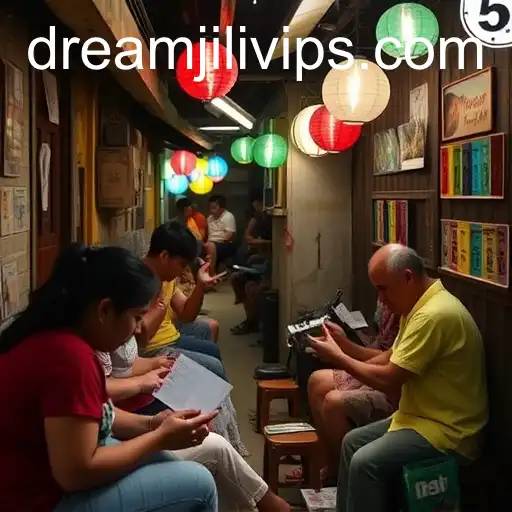
The Complex World of Jueteng and the Allure of DREAM JILI
Jueteng, an illicit numbers game deeply rooted in Filipino culture, has long been a point of fascination and controversy. Despite its illegal status, this game continues to thrive in various parts of the Philippines, underpinning a vibrant underground economy. In recent times, the term DREAM JILI has emerged, signaling a shift in the gaming culture and marketing strategies surrounding this illicit activity. Understanding Jueteng and the allure of DREAM JILI requires a look into the socio-economic fabric of the communities that engage with it.
The Cultural Significance of Jueteng
Jueteng has been part of Filipino society for decades. Originating during the Spanish colonial period, this numbers game has embedded itself in the cultural landscape. The key to its persistence lies in its accessibility and the slim but enticing prospects of instant wealth it offers to the common folk. For many Filipinos, Jueteng is not just about the potential financial rewards; it is intertwined with everyday life, gleaming with stories of hope and luck.93JL
The game's simplicity is one of its most appealing aspects. Participants select a combination of numbers, place their bets with a cabo (the bet collector), and await the results announced in a community setting, often in local alleys or secret handbooks. The draw's results and the intricate methods used to determine winning numbers have become focal points for community interaction. In this way, Jueteng functions as both a social activity and an economic opportunity.Discover more details about other community-centric activities.
The Shadow Economy and Jueteng's Impact
While Jueteng is illegal, its existence supports a significant shadow economy. The informal and unregulated nature of the game allows it to draw millions of pesos daily from regions across the Philippines. It employs thousands, from bet collectors and number generators to back-end financiers who risk circumventing the law for hefty commissions.NOBLEJILI
OKEBETThis underground economy has drawn the attention of various stakeholders, including local government officials, who sometimes partake in or turn a blind eye to the operations. The tacit acceptance of Jueteng arises from its role in economic sustenance for many marginalized families. In areas with limited employment opportunities, the revenues from Jueteng can mean the difference between subsistence and starvation.
DREAM JILI: A New Twist in Numbers Game
The mention of DREAM JILI has become synonymous with a new approach to promoting traditional games like Jueteng. Although primarily linked to different forms of online entertainment, the name DREAM JILI has been adapted within the Jueteng sphere to represent a modern, tech-savvy allure. As with Jueteng, DREAM JILI draws on themes of dreams and fortune, tapping into the collective yearning for prosperity.PH646
In many ways, the integration of DREAM JILI into local betting activities symbolizes a modern shift, an attempt to amalgamate traditional practices with contemporary marketing. By emphasizing dreams and aspirations, it seeks to attract a younger, more internet-savvy audience, mirroring the transitions seen in other industries.
The Risks and Consequences of Jueteng and DREAM JILI
The persistence of Jueteng and its derivatives, like activities under the DREAM JILI banner, pose several risks. The gambling addiction represents a prominent concern, compelling individuals to wager more than they can afford in hopes of striking it rich. The lack of regulation amplifies these concerns, allowing abuses and financial exploitation to proceed unchecked.
Moreover, the under-the-radar nature of these activities presents challenges for law enforcement. Efforts to crack down on Jueteng have been sporadic and largely ineffective. The interwoven connections between those who run Jueteng operations and influential figures further complicate initiatives aimed at eradicating the game. This reality has fueled debates about whether legalizing and thereby regulating Jueteng might yield better societal outcomes.
The Future of Jueteng and DREAM JILI
As technology continues to permeate everyday life, the intersection between offline games of chance and online strategies embodied by DREAM JILI might shape the future trajectory of Jueteng. Alternate legal gambling systems such as the state-run Philippine Charity Sweepstakes Office (PCSO) have not fully succeeded in overshadowing Jueteng due to cultural ties and immediate returns offered by informal setups.JL PUB
Ultimately, any future direction—be it digital adaptation, legalization, or consistent suppression—requires a nuanced understanding of the complex social and economic dynamics at play. The historic roots and cultural embedment of Jueteng, alongside the evolution represented by DREAM JILI, suggest that solutions might involve integrated strategies that respect tradition while acknowledging modern pitfalls and possibilities.